
Table of Contents
As an Amazon Associate, we earn from qualifying purchases. This means we may receive a small commission at no extra cost to you when you buy through links on this page.
What are Robot Vacuums with Self-Emptying Bins?
Robot vacuums have come a long way since their initial introduction. The latest generation, particularly those featuring self-emptying bins, offer a level of convenience previously unheard of. Essentially, these robots not only clean your floors autonomously but also automatically empty the collected dust and debris into a larger, sealed disposal bag located within the charging base.
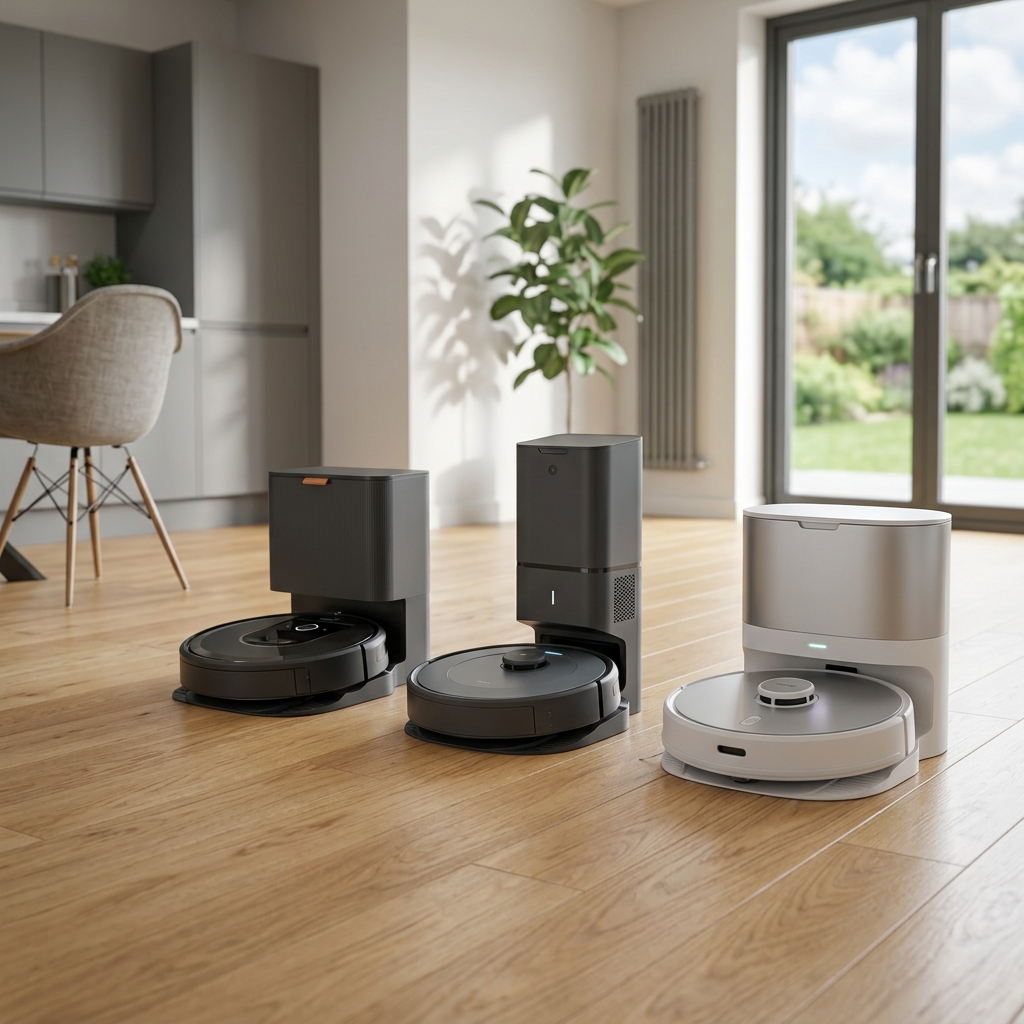
Early models required frequent emptying – almost after every clean. By 2026, advancements in dustbin capacity and suction technology mean a single emptying of the base can now last for up to 60 days, depending on usage and household dust levels. The self-emptying process uses powerful suction to transfer the contents, ensuring a hygienic and hands-free experience. This is a game changer for those with busy lifestyles, allergies, or simply a dislike of frequent vacuuming. The technology has evolved from basic suction transfer to more sophisticated systems that compress the dust, allowing for even longer intervals between base emptying.
They are best suited for homeowners with a mix of hard floors and carpets, pet owners, and anyone seeking to automate their cleaning routine. They are particularly beneficial for individuals with mobility issues or those who are frequently away from home.
Key Features to Consider in 2026
When choosing a robot vacuum with a self-emptying bin in 2026, consider these key features:
- Smart Mapping: Advanced LiDAR and vSLAM technology create accurate maps of your home, enabling efficient cleaning routes and zone cleaning. Expect even more precise mapping with multi-floor support as standard.
- Obstacle Avoidance (AI Advancements): Improvements in AI allow robots to reliably identify and avoid obstacles like shoes, cables, and even pet waste. 2026 models will utilise more sophisticated object recognition and 3D scanning.
- Suction Power: Measured in Pascals (Pa), higher suction power translates to better cleaning performance, especially on carpets. Expect ranges between 3000Pa – 6000Pa to be common.
- Battery Life: Longer battery life allows for cleaning larger areas on a single charge. Look for models with automatic recharging and resume cleaning.
- App Control: Intuitive mobile apps are essential for scheduling cleans, monitoring progress, setting virtual boundaries, and accessing advanced features.
- Multi-Floor Mapping: The ability to store multiple floor plans is crucial for multi-story homes.
- Zone Cleaning: Specify areas for focused cleaning, ideal for high-traffic zones or spills.
- Virtual Walls/No-Go Zones: Prevent the robot from entering restricted areas.
- Noise Levels: Quieter operation is preferable, especially if you plan to run the robot while you are home.
- Mop Integration: Many models now combine vacuuming and mopping functionality, with automatic mop washing and drying becoming increasingly common.
Top 5 Robot Vacuums with Self-Emptying Bins (UK – 2026)
Here’s a comparison of five leading models available in the UK market in 2026:
| Product | Price (GBP) | Suction Power (Pa) | Battery Life (mins) | Key Features |
|---|---|---|---|---|
| iRobot Roomba j9+ (2026 Edition) | £1299.99 | 6000 | 120 | PrecisionVision Navigation, Object Recognition, Automatic Dustbin Emptying. |
| Ecovacs Deebot X2 Omni (2026) | £1499.99 | 8000 | 180 | Auto-Emptying, Auto-Mop Washing & Drying, AIVI 3.0 Obstacle Avoidance. |
| Roborock S8 Pro Ultra (2026) | £1349.99 | 6000 | 150 | VibraRise 2.0 Mopping, DuoRoller Brush, Auto-Emptying, Auto-Mop Refilling. |
| Shark AI Ultra Robot Vacuum with XL Self-Empty Base (2026) | £899.99 | 5000 | 120 | AI Laser Navigation, XL Self-Empty Base, Multi-Surface Brushroll. |
| Samsung Jet Bot AI+ (2026) | £999.99 | 5000 | 90 | Object Recognition, SmartThings Integration, LiDAR Mapping. |
iRobot Roomba j9+ (2026 Edition)
The iRobot Roomba j9+ (2026 Edition) continues iRobot’s legacy of excellence. It boasts 6000Pa of suction power and a 120-minute battery life. Its standout feature is the PrecisionVision Navigation, which allows it to accurately identify and avoid obstacles – including power cords, pet waste, and even shoes! The 2026 model features significantly improved AI, reducing false positives and offering more reliable object recognition. The Clean Base automatically empties the dustbin, and the included bags hold up to 60 days of debris.
Pros:
- Excellent obstacle avoidance
- Powerful suction
- Long-lasting Clean Base capacity
- Reliable performance
Cons:
- Higher price point
- Replacement bags can be expensive (£29.99)
Ecovacs Deebot X2 Omni (2026)
The Ecovacs Deebot X2 Omni is a premium offering with a focus on comprehensive floor care. Setting it apart is its 8000Pa suction and incredibly long 180-minute runtime. It doesn’t just vacuum; it also features automatic mop washing and drying within the Omni station. The AIVI 3.0 obstacle avoidance system utilises AI to intelligently navigate your home, and the dustbin capacity is amongst the largest available.
Pros:
- Powerful suction and long battery life
- Automatic mop washing and drying
- Large dustbin capacity
- Excellent obstacle avoidance
Cons:
- Most expensive model
- Omni Station takes up a significant amount of space
Roborock S8 Pro Ultra (2026)
The Roborock S8 Pro Ultra excels in both vacuuming and mopping. Its VibraRise 2.0 mopping system delivers consistent pressure for effective floor cleaning, and the DuoRoller brush tackles both hard floors and carpets with ease. The auto-emptying dock also handles automatic mop refilling and washing.
Pros:
- Effective mopping system
- Powerful suction
- Auto-emptying, auto-mop refilling, and washing
- Good value for money
Cons:
- Object avoidance isn’t as sophisticated as iRobot
Shark AI Ultra Robot Vacuum with XL Self-Empty Base (2026)
The Shark AI Ultra is a strong contender, offering a balance of performance and affordability. Its AI Laser Navigation ensures accurate mapping and efficient cleaning, while the 5000Pa suction power effectively removes dirt and debris. The XL Self-Empty Base provides a generous capacity, reducing the frequency of emptying.
Pros:
- Strong suction power
- XL self-empty base
- Relatively affordable
Cons:
- Battery life is shorter than some competitors
Samsung Jet Bot AI+ (2026)
The Samsung Jet Bot AI+ integrates seamlessly with the Samsung SmartThings ecosystem. Its object recognition capabilities, powered by AI, allow it to avoid obstacles effectively. The LiDAR mapping provides accurate navigation, and the 5000Pa suction power delivers excellent cleaning performance.
Pros:
- SmartThings integration
- Good object recognition
- Accurate mapping
Cons:
- Shorter battery life compared to other premium models
Self-Emptying Robot Vacuum Buying Guide: Price Ranges & What to Expect (2026)
Budget (£600 – £800): Expect basic self-emptying functionality, good suction power, and smart mapping. Obstacle avoidance may be less sophisticated, and battery life may be shorter.
Mid-Range (£800 – £1200): Offers a better balance of features, including improved obstacle avoidance, longer battery life, and advanced mapping capabilities. Some models may include basic mopping functionality.
Premium (£1200+): Provides the most advanced features, including exceptional suction power, intelligent object recognition, automatic mop washing and drying, and extended battery life. These models often come with subscription services for replacement bags and filters.
Subscription Services: Expect manufacturers to increasingly offer subscription services for replacement dust bags and filters estimated at around £20-£40 per year (depending on usage).
Maintenance and Troubleshooting
Maintaining your self-emptying robot vacuum is crucial for optimal performance. Regularly check and empty the dustbin in the charging base (typically every 60 days). Clean the brushes and filters according to the manufacturer’s instructions. Inspect the robot for any tangled hair or debris. If the robot encounters issues, consult the troubleshooting guide in the user manual or the manufacturer’s website. Common issues include sensor blockages, navigation errors, and suction power loss. Pay attention to the self-emptying base – ensure the bag is correctly installed and that the suction pathway is clear.
Frequently Asked Questions (FAQs)
- Are self-emptying robot vacuums suitable for all floor types? Generally, yes. Most models can handle a mix of hard floors and carpets. However, check the manufacturer’s specifications to ensure compatibility with your specific flooring.
- How well do they cope with pet hair? Excellent! Models with strong suction power and tangle-free brushes are particularly effective at removing pet hair. The self-emptying feature prevents the bin from filling up quickly with fur.
- Do they work with smart home systems? Many models are compatible with popular smart home platforms like Amazon Alexa and Google Assistant, allowing for voice control and integration with other smart devices. Samsung models integrate particularly well with SmartThings.
- How often do I need to replace the dust bags? This depends on usage and the size of your home. Typically, a single dust bag will last for 60 days, but this can vary.
- What about maintenance for the self-emptying base? Apart from emptying the dust bag, you’ll occasionally need to clean the filter within the base to maintain optimal suction.