
Table of Contents
Understanding Dust Mites & Why a Robot Vacuum Helps
Dust mites are microscopic creatures that thrive in warm, humid environments, making our homes an ideal habitat. They feed on dead skin cells and are a major trigger for allergies and asthma, causing symptoms like sneezing, runny noses, itchy eyes, and breathing difficulties. Because they live in bedding, carpets, upholstery, and soft furnishings, they are incredibly common. Regular, thorough cleaning is absolutely crucial to controlling dust mite populations. Simply put, the less dust and skin flakes available, the fewer mites can survive.
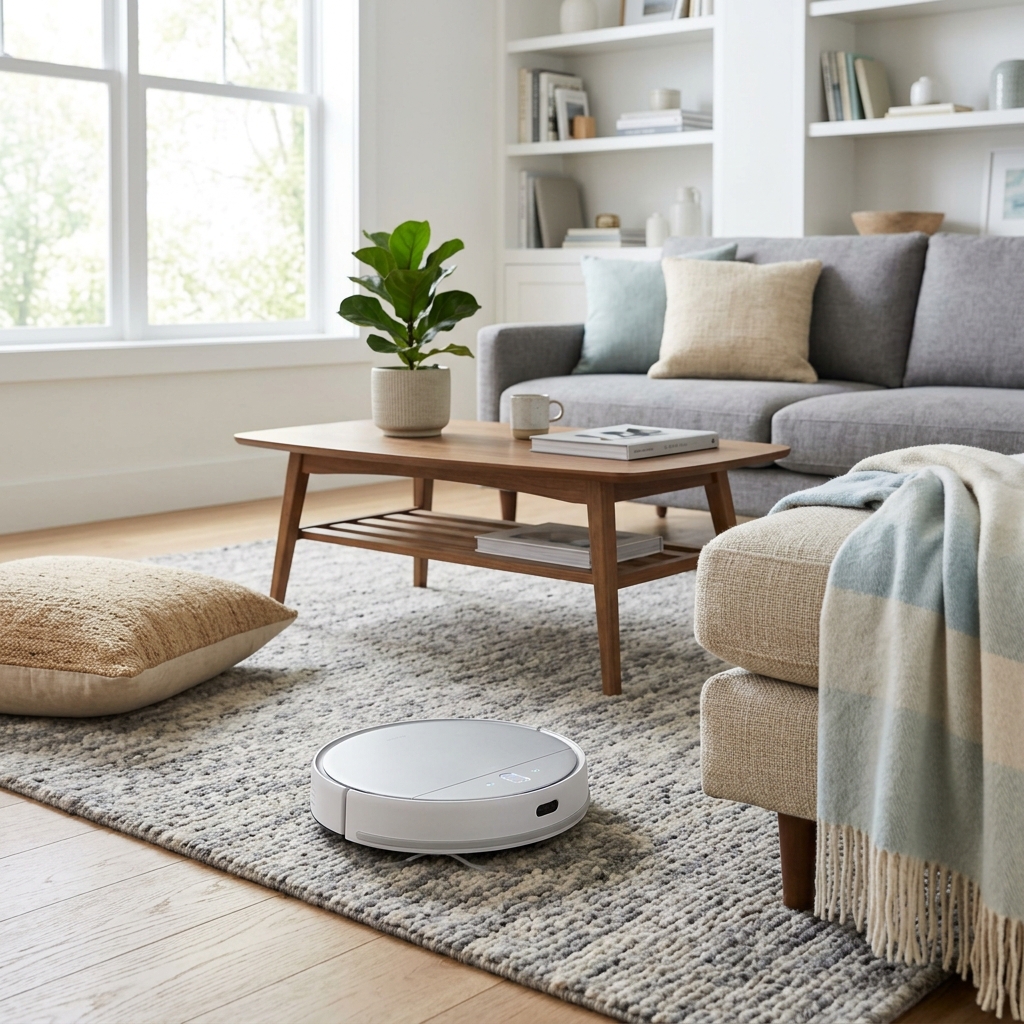
Traditional vacuuming helps, but it can be time-consuming and doesn’t always reach the hidden areas where dust mites flourish. Robot vacuums offer a significant advantage by providing consistent and automated cleaning. Models with HEPA filtration, strong suction, and effective brushroll designs can actively remove dust mites and allergens, contributing to a healthier indoor environment. Their ability to clean frequently – even daily – is a game-changer in the fight against dust mites.
What to Look for in a Robot Vacuum for Dust Mites
Choosing the right robot vacuum for dust mite control requires careful consideration of several key features:
- HEPA Filtration: This is non-negotiable. HEPA (High-Efficiency Particulate Air) filters capture 99.97% of particles 0.3 microns in size, including dust mites, allergens, and pollen. Without a HEPA filter, the vacuum may simply redistribute these particles back into the air.
- Strong Suction Power: Higher suction (measured in Pascals – Pa) is essential for lifting dust mites and allergens from carpets and hard floors. Look for models exceeding 2000Pa, with boost modes for deeper cleaning.
- Brushroll Design: A brushroll with multi-surface capabilities is ideal. Rubberized or specifically designed bristles are better at agitating carpets and releasing dust mites embedded within the fibres, compared to purely bristle-based designs.
- Edge Cleaning Capabilities: Dust mites accumulate along walls and in corners. Robot vacuums with dedicated edge cleaning modes or side brushes are vital for reaching these areas.
- Filter Maintenance Requirements: Consider how easy it is to clean or replace the filters. Regular filter maintenance is essential for maintaining optimal performance. Some models have self-emptying dustbins, which can also reduce allergen exposure during disposal.
- Sealed System: A fully sealed system prevents dust and allergens from leaking out of the vacuum during operation. This is especially important for allergy sufferers.
Top 5 Robot Vacuums for Dust Mites (UK – 2026)
Here’s a rundown of five leading robot vacuum models available in the UK in 2026, with a focus on their dust mite removal capabilities.
Model 1: iRobot Roomba s9+ (Dust Mite Edition) – £1199
The iRobot Roomba s9+ has long been a top contender, and the 2026 ‘Dust Mite Edition’ builds on its success. The advanced 5-Stage Cleaning System, coupled with a powerful motor and auto-adjusting cleaning head, excels at deep cleaning carpets and removing embedded allergens. The HEPA filter captures 99.97% of dust mites, pollen, and pet dander.
| Feature | Specification |
|---|---|
| Suction Power | 3000Pa |
| Filtration | HEPA with Sealed System |
| Brushroll | Dual Multi-Surface Rubber Brushes |
| Smart Features | iRobot OS, Object Recognition, Imprint Smart Mapping |
| Dustbin Capacity | Self-Emptying (Disposable Bags) |
Pros: Exceptional cleaning performance, self-emptying base, intelligent mapping, excellent HEPA filtration.
Expensive, replacement bags add to ongoing costs.
Model 2: Roborock S8 Pro Ultra – £1499
The Roborock S8 Pro Ultra is a premium robot vacuum and mop combination. Its powerful suction and sonic mopping technology offer a comprehensive cleaning solution. The multi-layered filtration system, including a HEPA filter, effectively traps dust mites and allergens. The auto-empty dock, auto-mop washing, and auto-refill features make it incredibly convenient.
| Feature | Specification |
|---|---|
| Suction Power | 6000Pa |
| Filtration | Multi-Stage Filtration with HEPA |
| Brushroll | Multi-Plane Floating Brush |
| Smart Features | ReactiveAI 2.0 Obstacle Avoidance, Sonic Mopping, App Control |
| Dustbin Capacity | Auto-Empty Dock (7 weeks capacity) |
Pros: Incredibly powerful suction, sonic mopping, fully automated docking station, excellent obstacle avoidance.
High price point, complex setup.
Model 3: Dyson 360 Vis Nav – £1299
Dyson’s entry into the robot vacuum market delivers on suction and filtration. The Dyson 360 Vis Nav boasts a powerful Hyperdymium motor and a fully-sealed HEPA filtration system. Its 360° vision system allows for precise navigation and comprehensive coverage. The edge-to-edge cleaning ensures no dust bunnies are left behind.
| Feature | Specification |
|---|---|
| Suction Power | 2400Pa |
| Filtration | HEPA with Fully Sealed System |
| Brushroll | Triple-Action Brushroll |
| Smart Features | 360° Vision System, Dyson Link App |
| Dustbin Capacity | 0.77L |
Pros: Powerful suction, excellent filtration, reliable brand reputation, precise navigation.
Dustbin capacity is smaller than some competitors, pricier than some options.
Model 4: Eufy RoboVac X8 Hybrid – £599
The Eufy RoboVac X8 Hybrid offers a compelling balance of performance and affordability. While it doesn’t have the self-emptying features of more expensive models, it still provides strong suction and a HEPA filter to effectively remove dust mites. The mopping function adds an extra layer of cleanliness.
| Feature | Specification |
|---|---|
| Suction Power | 2000Pa |
| Filtration | HEPA Filter |
| Brushroll | Multi-Surface Brushroll |
| Smart Features | Smart Dynamic Navigation 2.0, App Control |
| Dustbin Capacity | 600ml |
Pros: Affordable price, good suction for the price, HEPA filtration, mopping function.
No self-emptying, simpler navigation compared to premium models.
Model 5: Samsung Jet Bot AI+ – £999
The Samsung Jet Bot AI+ utilizes AI-powered object recognition to navigate your home and avoid obstacles. It features a powerful motor and a multi-stage filtration system with a HEPA filter. The LiDAR sensor creates a precise map of your home, allowing for targeted cleaning. The self-emptying base provides convenience and reduces allergen exposure.
| Feature | Specification |
|---|---|
| Suction Power | 3000Pa |
| Filtration | Multi-Stage Filtration with HEPA |
| Brushroll | Rotating Brush |
| Smart Features | AI Object Recognition, LiDAR Sensor, App Control |
| Dustbin Capacity | Self-Emptying Dock (60 days capacity) |
Pros: AI-powered object recognition, strong suction, convenient self-emptying base, precise mapping.
Can be expensive, some users report occasional navigation glitches.
Robot Vacuum vs. Traditional Vacuuming for Dust Mites – Which is Better?
Both robot vacuums and traditional vacuums with HEPA filters can effectively remove dust mites. However, they differ in several key areas:
- Frequency: Robot vacuums can clean more frequently (daily or multiple times a week) than most people realistically will with a traditional vacuum. This consistent cleaning is a major advantage in controlling dust mite populations.
- Coverage: Robot vacuums can access hard-to-reach areas under furniture more easily than traditional vacuums.
- Convenience: Robot vacuums automate the cleaning process, saving you time and effort.
- Thoroughness: Traditional vacuums generally offer more powerful suction and larger brushrolls, potentially providing a deeper clean for heavily soiled areas.
The Verdict: For ongoing dust mite control, a robot vacuum is often the better choice due to its frequency and convenience. However, supplementing with occasional deep cleaning using a traditional vacuum is still recommended.
Maintaining Your Robot Vacuum for Optimal Dust Mite Control
To ensure your robot vacuum continues to effectively remove dust mites, regular maintenance is crucial:
- Filter Cleaning/Replacement: Clean the HEPA filter regularly (every 2-4 weeks) and replace it every 6-12 months, or as recommended by the manufacturer.
- Brushroll Maintenance: Remove tangled hair and debris from the brushroll regularly.
- Dustbin Emptying: Empty the dustbin after each cleaning cycle, or as needed.
- Sensor Cleaning: Keep the sensors clean to ensure accurate navigation.
Beyond Vacuuming: Additional Tips for Dust Mite Allergy Relief
Vacuuming alone isn’t enough to completely eliminate dust mites. Consider these additional strategies:
- Wash Bedding Frequently: Wash sheets, pillowcases, and blankets in hot water (60°C or higher) every week.
- Use Allergen-Proof Covers: Encase mattresses, pillows, and duvets in allergen-proof covers (e.g., Allergen-Proof Mattress Cover (Double) – £49.99).
- Control Humidity: Keep indoor humidity below 50% using a dehumidifier.
- Air Purification: Use an air purifier with a HEPA filter (e.g., Levoit Air Purifier with HEPA Filter – £199) to remove airborne allergens.
FAQs: Robot Vacuums & Dust Mites
Q: How often should I run my robot vacuum to control dust mites?
Ideally, run it daily or at least 3-4 times a week to consistently remove dust mites and allergens.
Q: Are robot mops effective at removing dust mite allergens?
Mopping can help remove allergens from hard floors, but it’s not a substitute for vacuuming, especially on carpets. A robot vacuum with mopping functionality offers the best of both worlds.
Q: Do all robot vacuums have HEPA filters?
No, not all do. It’s crucial to check the specifications before purchasing to ensure it includes a true HEPA filter.
Q: Is a self-emptying dustbin worth the extra cost?
For allergy sufferers, yes. It minimizes your exposure to dust and allergens during dustbin disposal.
Q: Can robot vacuums clean all floor types?
Most robot vacuums can handle a variety of floor types, including carpets, hardwood floors, and tiles. However, some models are better suited for specific floor types than others. Check the manufacturer’s specifications.