
Table of Contents
Introduction: The Importance of Battery Life in Robot Vacuums
In 2026, robot vacuums are becoming increasingly sophisticated, offering a truly hands-free cleaning experience. However, even the smartest robot is limited by its battery life. Battery life is a crucial factor, especially for larger homes, multi-floor properties, and individuals with busy lifestyles. A short battery life means interrupted cleaning cycles, multiple charging stops, and potentially a less-than-thorough clean. Advancements in battery technology are continually extending run times and improving efficiency, with a strong focus on energy density and smart power management. This guide will delve into understanding battery life in robot vacuums available in the UK market in 2026, helping you make an informed decision.
Average Robot Vacuum Battery Life in the UK (2026)
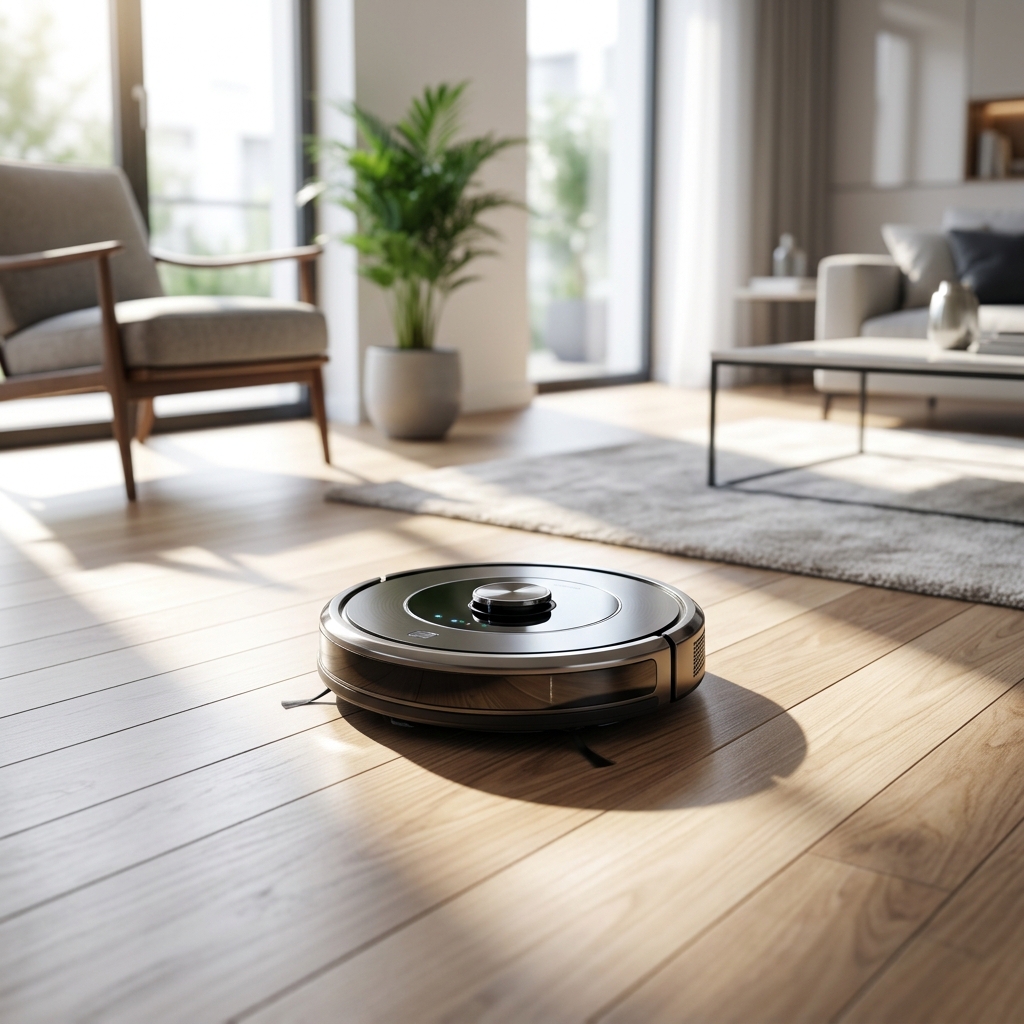
By 2026, we’re seeing a broader range of battery performance across different price points. Here’s a breakdown of typical run times:
- Entry-Level (< £300): Typically 60-90 minutes run time. This translates to approximately 60-80 square metres of cleaning area on a single charge, assuming a mix of hard floors and low-pile carpet.
- Mid-Range (£300 – £700): Expect 90-120 minutes of run time. This covers roughly 80-120 square metres, with better performance on varied floor types and slightly more powerful suction.
- High-End (£700+): These models boast 120-180+ minutes of run time, capable of cleaning 120-180+ square metres. Many high-end models now incorporate intelligent charging and resume functions, allowing them to return to base and continue cleaning where they left off.
Improvements expected by 2026 include a 10-15% increase in average run times across all categories due to advancements in battery chemistry and energy-efficient motors. Furthermore, the integration of AI-powered cleaning algorithms is optimising cleaning paths, reducing unnecessary movements and conserving battery power.
Factors Affecting Robot Vacuum Battery Performance
Several factors contribute to how long a robot vacuum’s battery lasts. Understanding these can help you optimise performance.
- Floor Type: Carpet requires significantly more power than hard floors. Deep-pile carpets dramatically reduce battery life.
- Suction Power Settings: Using maximum suction drastically reduces run time compared to eco or standard modes.
- Cleaning Modes: Spot cleaning, edge cleaning, and focused modes use more power than automatic cleaning.
- Obstacle Avoidance: Constantly detecting and navigating around obstacles drains the battery. More advanced systems are becoming more efficient.
- Home Size & Layout: Larger homes obviously require more cleaning time and thus consume more battery. Complex layouts with many obstacles also increase energy usage.
- Virtual Walls & No-Go Zones: While helpful for defining cleaning areas, frequent adjustments to virtual boundaries can contribute to slightly increased energy consumption as the robot recalculates its map.
- Smart Mapping: Effective smart mapping allows the robot to clean efficiently, avoiding redundant areas and optimising routes, ultimately conserving battery life.
Battery Types: Lithium-Ion vs. Newer Technologies (2026)
Currently, the vast majority of robot vacuums utilise Lithium-Ion (Li-ion) batteries. However, by 2026, we’re seeing increased adoption of newer technologies:
- Lithium-Ion (Li-ion): Still the standard. Reliable, relatively affordable, and offer good energy density. Lifespan typically 300-500 charge cycles.
- Lithium-Polymer (Li-Po): Slightly lighter and more flexible in shape than Li-ion, but offer comparable performance and lifespan.
- Solid-State Batteries: Emerging as a promising technology. Solid-state batteries offer higher energy density, faster charging times, and improved safety compared to Li-ion. While still relatively expensive, they are becoming more common in premium robot vacuum models.
Comparison Table: Battery Technologies (2026)
| Technology | Energy Density | Lifespan (Charge Cycles) | Cost | Safety |
|---|---|---|---|---|
| Lithium-Ion | Moderate | 300-500 | £50-£100 (replacement) | Good (potential for thermal runaway) |
| Lithium-Polymer | Moderate | 300-500 | £60-£120 (replacement) | Good |
| Solid-State | High | 500-800+ | £150-£300+ (replacement) | Excellent |
How to Maximise Robot Vacuum Battery Life: Practical Tips
Here’s how to get the most out of your robot vacuum’s battery:
- Use Eco Mode: Prioritise battery life over maximum suction whenever possible.
- Schedule Cleaning Strategically: Consider off-peak energy times for lower electricity costs and potentially reduced battery strain.
- Maintain Your Robot: Regularly clean brushes, empty the bin, and check for obstructions. A clogged system forces the motor to work harder.
- Utilise Zoning Features: Divide your home into zones and schedule cleaning for specific areas, rather than the entire house at once.
- Optimise Virtual Boundaries: Minimise frequent adjustments to virtual walls and no-go zones.
- Smart Home Integration: Use smart home platforms to control cleaning schedules and power management. Some systems can automatically pause cleaning during peak energy demand.
Robot Vacuum Battery Replacement: Cost & Considerations
Robot vacuum batteries typically last 2-3 years with regular use. Signs a replacement is needed include a significant decrease in run time, inability to hold a charge, or the robot shutting down mid-cycle.
Replacement Costs (2026):
- Official Batteries: £80 – £250 (depending on model)
- Third-Party Batteries: £40 – £150 (quality varies significantly)
Replacement Complexity: Some models have easily replaceable batteries, while others require more technical skill and specialised tools. Consider the following:
- DIY: Possible for some models, but voids the warranty and carries a risk of damage if not done correctly.
- Professional Repair: Recommended for complex models or if you’re uncomfortable with DIY. Costs typically range from £50 – £150.
Top Robot Vacuums with Long Battery Life (UK – 2026)
Here are a few models known for excellent battery performance:
- iRobot Roomba j7+ (with Clean Base): Up to 180 minutes run time. Excellent obstacle avoidance and smart mapping. Price: £800 – £1000.
- Shark AI Ultra Robot Vacuum: Up to 150 minutes run time. Powerful suction and self-emptying base. Price: £600 – £800.
- Ecovacs Deebot X2 Omni: Up to 160 minutes run time. All-in-one docking station with auto-empty, mop washing, and hot air drying. Price: £900 – £1200.
- Roborock S8 Pro Ultra: Up to 180 minutes run time. Sonic mopping, obstacle avoidance, and comprehensive self-emptying/washing station. Price: £1000 – £1400
- DreameBot L20s Ultra: Up to 140 minutes run time. Excellent navigation, mop lifting and self-emptying capabilities. Price: £700 – £900
Future Trends in Robot Vacuum Battery Technology (2026 & Beyond)
The future of robot vacuum batteries is exciting. We can expect to see:
- Wireless Charging: More widespread adoption of truly wireless charging capabilities.
- Self-Changing Batteries: Robot vacuums that automatically dock and swap batteries for continuous cleaning.
- Improved Energy Efficiency: Further advancements in motor efficiency and cleaning algorithms.
- Integration with Renewable Energy Sources: Smart home systems that prioritise cleaning during times of peak renewable energy generation.
Conclusion: Choosing the Right Robot Vacuum for Your Needs
Battery life is a critical consideration when selecting a robot vacuum. Consider your home’s size, floor type, and cleaning habits. Don’t solely focus on maximum run time; also consider features like smart mapping, suction power, and the availability of eco modes. Research thoroughly and read reviews to find the best robot vacuum for your specific needs. Resources like Which? and T3 offer comprehensive reviews and comparisons. By understanding the factors impacting battery life, you can ensure a consistently clean home with minimal effort.