
Table of Contents
Why Robot Vacuum Dustbin Capacity Matters
Robot vacuums have become increasingly popular in UK homes, offering a convenient way to maintain clean floors with minimal effort. However, one often overlooked specification is the dustbin capacity. This directly impacts how frequently you’ll need to empty it, and ultimately, how convenient your robotic cleaning experience will be. A smaller dustbin means more frequent emptying, while a larger one offers greater autonomy. The ideal capacity depends on several factors unique to UK households – the average size of homes (generally smaller than those in the US), the prevalence of carpeted floors, and the significant percentage of pet ownership. UK homes often feature a mix of hard flooring and carpets, posing different cleaning challenges. Pet owners, in particular, will benefit from larger dustbin capacities due to the increased debris collected.
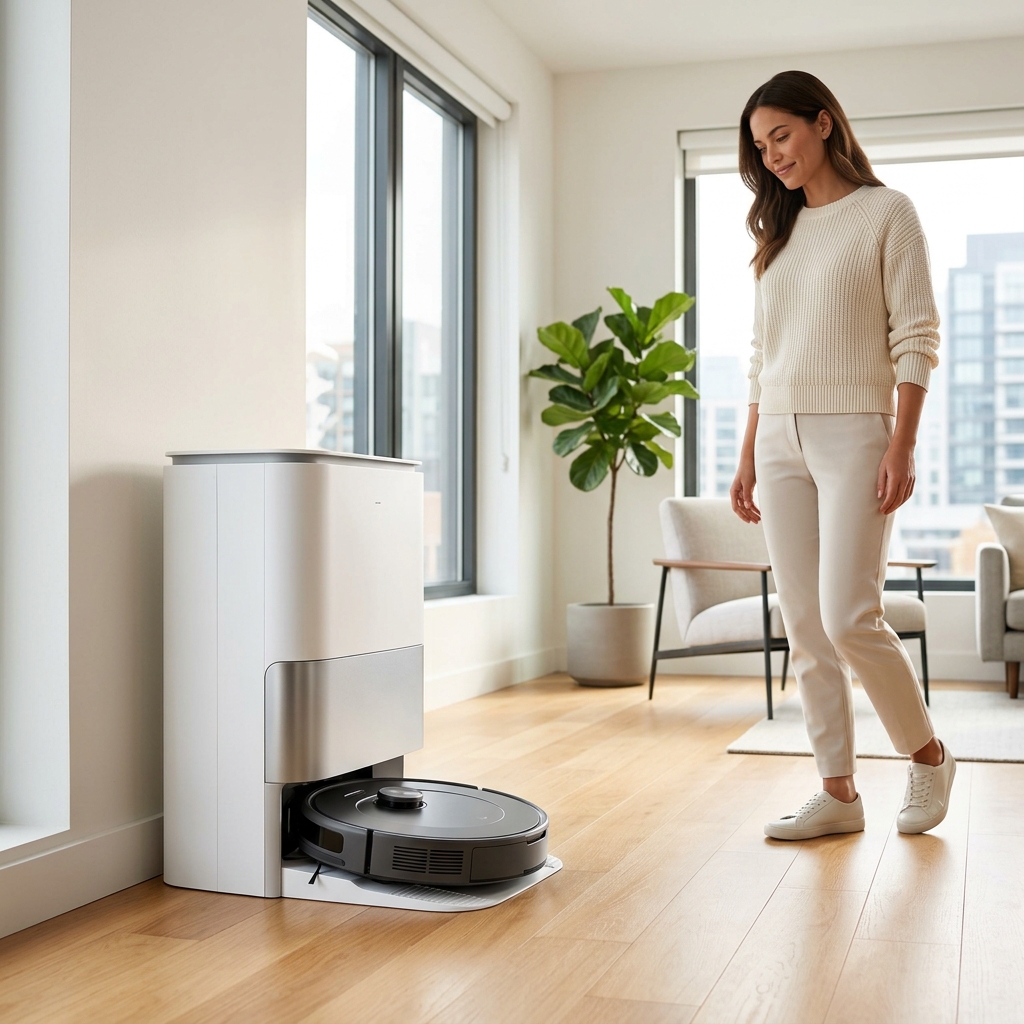
Typical Robot Vacuum Dustbin Capacities (UK Market)
In 2026, the UK market offers robot vacuums with a range of dustbin capacities. They broadly fall into three categories:
- Small (300ml – 400ml): Typically found in more affordable robot vacuum models. Suitable for smaller apartments and homes with minimal carpet.
- Medium (400ml – 600ml): A good all-rounder, suitable for mid-size homes with a mix of flooring types.
- Large (600ml+): Ideal for larger homes, homes with pets, and those who prefer less frequent emptying.
Here’s a comparison of common capacities and the approximate cleaning area they can handle before needing emptying:
| Dustbin Capacity | Estimated Cleaning Area (approximate) | Suitable For |
|---|---|---|
| 300ml | 50-70m² | Small apartments, single occupants, minimal carpet. |
| 400ml | 70-100m² | Small to medium-sized homes, light shedding pets. |
| 500ml | 100-150m² | Medium-sized homes, moderate pet shedding. |
| 600ml | 150-200m² | Large homes, multiple pets, or frequent use. |
| 700ml+ | 200m²+ | Very large homes, heavy pet shedding, or infrequent emptying desires. |
Dustbin Capacity vs. Home Size & Lifestyle
Choosing the right dustbin capacity requires considering your specific circumstances.
- Small Apartment (under 70m²): A 300-400ml dustbin is usually sufficient, especially if you have mostly hard floors.
- Mid-Size House (70-150m²): A 400-600ml dustbin provides a good balance of capacity and convenience.
- Large Family Home (150m²+): A 600ml+ dustbin, or a robot vacuum with an auto-empty dock (discussed below), is highly recommended.
- Flooring Type: Carpets generate more dust and debris than hard floors. If you have a lot of carpet, opt for a larger dustbin.
- Pets: Pet hair is a major contributor to dustbin fill-up. Pet owners should prioritise larger capacity models or auto-empty docks.
- Allergy Sufferers: Frequent cleaning is crucial for allergy sufferers. A larger dustbin reduces the frequency of emptying, minimising exposure to allergens.
Auto-Empty Docks: A Game Changer?
Auto-empty docks represent a significant advancement in robot vacuum technology. These docks automatically empty the robot’s dustbin into a larger capacity dustbag within the dock itself. This means you only need to empty the dock’s dustbin every few weeks, rather than after every cleaning cycle.
How they work: After completing a cleaning run, the robot vacuum returns to its dock. The dock then uses suction to extract the debris from the robot’s dustbin into a disposable dustbag (typically holding 2-3 litres of debris).
Cost Implications: Auto-empty models are significantly more expensive than standard robot vacuums. The ongoing cost of replacement dustbags also needs to be considered (typically around £20-£30 for a pack of multiple bags). However, the convenience can justify the extra expense for many users.
Auto-Empty Dock Technologies: Different manufacturers employ slightly different technologies. Some use powerful suction, while others incorporate a rotating brush to dislodge debris. The efficiency of the auto-empty process and the noise level can vary between models.
Top Robot Vacuums with Excellent Dustbin Capacity (UK – 2026)
- iRobot Roomba j7+ (with Clean Base): £799.99. 600ml dustbin + 60-day capacity Clean Base. Excellent object recognition and smart mapping. Ideal for pet owners.
- Roborock S8 Pro Ultra (with Auto Empty Dock): £1299.99. 400ml dustbin + 7-week capacity auto-empty dock. Features sonic mopping and advanced obstacle avoidance. A premium option.
- Ecovacs Deebot X2 Omni (with Auto Empty Station): £1099.99. 400ml dustbin + 60-day auto-empty station. Includes automatic mop washing and drying. Good value for money.
- Samsung Jet Bot AI+ : £949.99. 400ml dustbin + auto-empty dock. Integrated AI features for targeted cleaning and object recognition.
- Narwal Freo: £899.99. 350ml dustbin + auto-empty base. Focuses on mop cleaning with a unique self-cleaning mop system.
- Proscenic V9 Max: £349.99. 600ml dustbin. A budget-friendly option with a surprisingly large dustbin. Good for smaller homes.
- Eufy RoboVac X8 Hybrid: £499.99. 400ml dustbin + auto-empty base optional. Offers a good balance of features and price.
Emptying Frequency: What to Expect
The actual emptying frequency will depend on your home’s cleanliness, flooring type, pet shedding, and how often you run the robot vacuum. Here’s a general guide:
- 300-400ml Dustbin: Expect to empty after every 1-2 cleaning cycles (2-3 times per week).
- 500-600ml Dustbin: Expect to empty after every 2-3 cleaning cycles (once per week).
- Auto-Empty Dock: Expect to empty the dock’s dustbag every 2-4 weeks, depending on usage.
Tips for Maximizing Dustbin Capacity:
- Pre-vacuum high-pile carpets to remove excess debris.
- Clean up large spills before running the robot vacuum.
- Regularly check and clean the robot’s brushes and filters.
Maintaining Your Robot Vacuum’s Dustbin
Regular maintenance is essential for optimal performance.
- Empty Regularly: Don’t let the dustbin become completely full, as this can reduce suction power.
- Clean the Dustbin: Wash the dustbin with mild soap and water after each emptying.
- Filter Replacement: Replace the filter every 2-3 months (or as recommended by the manufacturer) to maintain optimal air filtration and suction. Replacement filters typically cost around £10-£20.
- Check for Blockages: Inspect the dustbin and the intake port for any blockages.
Future Trends in Robot Vacuum Dustbin Technology (UK)
The future of robot vacuum dustbin technology looks promising. We can expect to see:
- Larger Capacity Bins: Manufacturers will likely continue to increase dustbin capacities, especially in auto-empty models.
- Self-Cleaning Systems: Advanced systems that automatically remove dust and debris from the dustbin without manual intervention.
- Improved Dust Compression: Technologies that compress dust and debris within the dustbin, increasing capacity and reducing emptying frequency.
- Smart Dustbin Monitoring: Integration with smart home systems to monitor dustbin levels and provide alerts when emptying is required.
- Biodegradable Dustbags: A move towards more environmentally friendly, biodegradable dustbag options for auto-empty docks.
FAQ
How often should I empty my robot vacuum’s dustbin?
It depends on the dustbin capacity, your home’s size, and your lifestyle. Generally, 300-400ml bins need emptying after every 1-2 runs, while 500-600ml bins last for 2-3 runs. Auto-empty docks require emptying every 2-4 weeks.
Is an auto-empty dock worth the extra cost?
For those who value convenience and have larger homes or pets, an auto-empty dock is often worth the investment. It significantly reduces the frequency of manual emptying.
What dustbin capacity is best for pet owners?
Pet owners should prioritize a robot vacuum with a dustbin capacity of 600ml or more, or an auto-empty dock. This will help manage the increased amount of pet hair and dander.
Can I use any dustbags with my auto-empty dock?
No, you should only use dustbags specifically designed for your robot vacuum’s auto-empty dock. Using incompatible bags can damage the dock or reduce its performance.
How do I clean a robot vacuum dustbin?
Empty the dustbin completely. Wash it with mild soap and warm water, ensuring it is thoroughly dry before reinserting it into the robot vacuum.